Is an electric toothbrush actually worth it?
For almost everyone, yes. The weight of independent evidence — including the well-known Cochrane review of dozens of trials — points the same way: over the long term, electric toothbrushes remove more plaque and reduce gum inflammation more than manual brushing, with oscillating-rotating brushes having the strongest record. That doesn't mean a manual brush can't clean your teeth if your technique is perfect; it means an electric brush makes a good clean far easier to achieve, twice a day, for years on end. The built-in two-minute timer alone fixes the single most common mistake people make: brushing for far too short a time.
The honest caveat is that the brand on the handle matters less than the marketing suggests. A £30 brush used correctly will do more for your teeth than a £300 brush used carelessly. So before you get swept up in app coaching and gum-health "scores", it's worth being clear about which features genuinely change the outcome — and which are simply there to justify a higher price. That's the whole purpose of this site.
The two features that actually matter
Strip away the marketing and only two things reliably improve your brushing: an effective cleaning action and a pressure sensor.
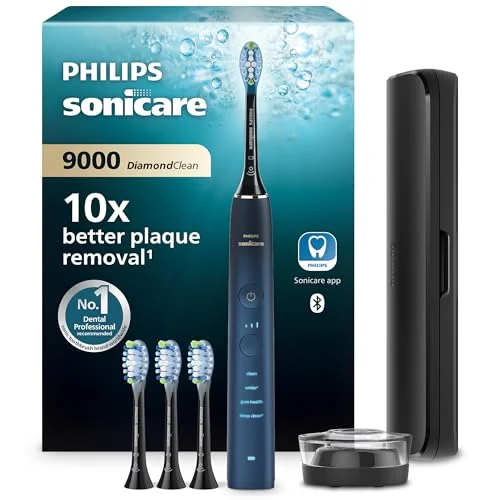
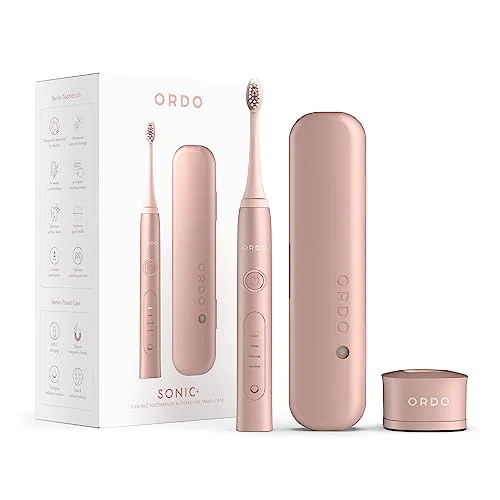
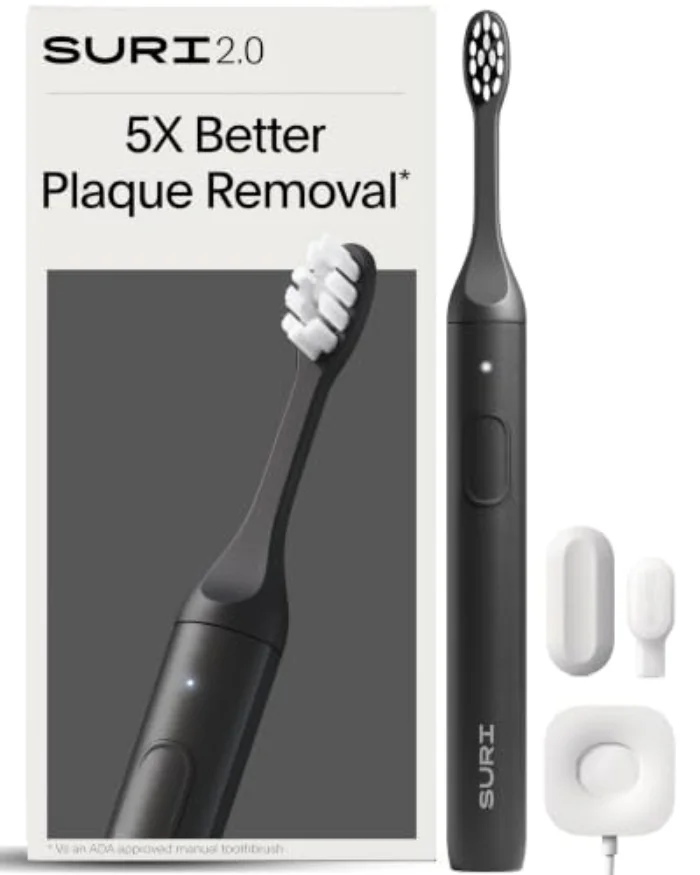
The cleaning action is the motor and the way the head moves. There are two main types, which we cover in detail in our guide to sonic vs oscillating brushes. Both clean well; the difference is mostly how they feel. Oral-B's round head oscillates and rotates, cleaning one tooth at a time with a brisk, scrubbing feel. Sonic brushes from Philips, Ordo and Suri use a brush-shaped head that vibrates at high frequency, driving toothpaste and saliva between the teeth — gentler, which suits sensitive gums.
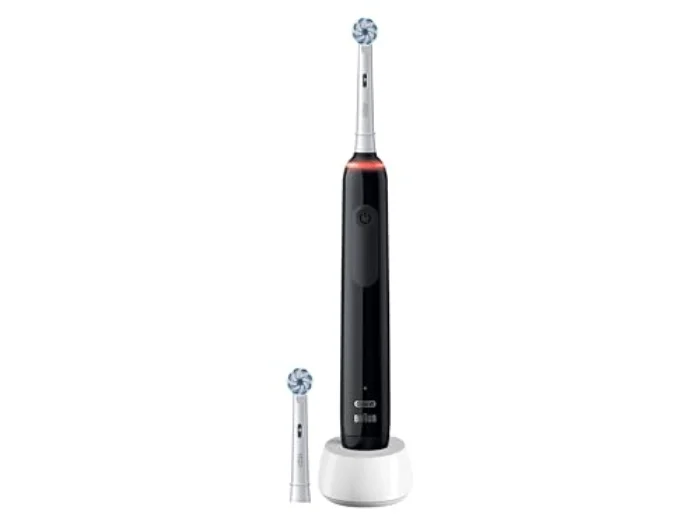
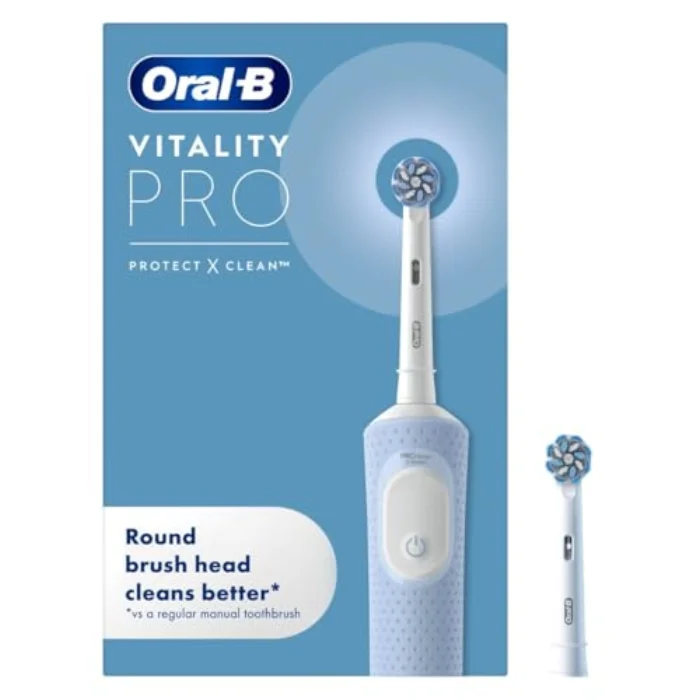
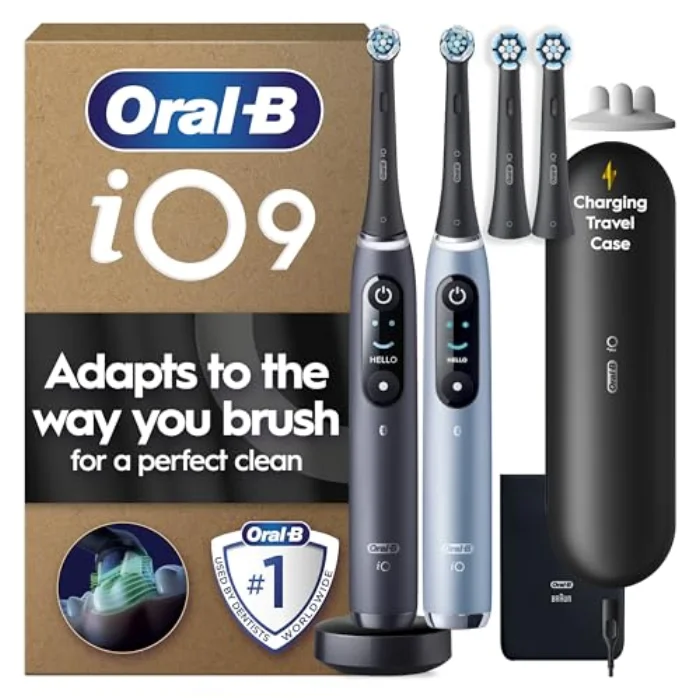
The pressure sensor is the unsung hero. Brushing too hard is one of the most common causes of gum recession and exposed, sensitive tooth roots — and almost everyone does it without realising. A pressure sensor warns you the moment you press too hard so you can ease off. On the Oral-B iO9 it's a colour ring that turns from white to red; on the cheaper Pro 3 3000 it's a glowing light. Either way, it's the feature we'd refuse to do without — and the main reason the budget Vitality Pro, which lacks one, sits where it does in our ranking.
What you can safely ignore
Almost everything else is a nice-to-have. App connectivity is fun for a week and then forgotten by nearly everyone. Colour displays and gum-health "scores" look impressive but don't clean your teeth any better. Even the dizzying number of "modes" on premium brushes is mostly noise — a sensible everyday clean and a sensitive mode cover the vast majority of needs. None of these justify a large premium on their own.
What does deserve attention, and is easy to forget, is the running cost of replacement heads. You should change the head every three months, so over the life of a brush the heads can cost more than the handle did. Basic Oral-B heads are the cheapest on the market; sonic and iO heads cost more. We factor that into every verdict, because the cheapest brush to buy isn't always the cheapest to own.
How we picked these six
We deliberately chose brushes that cover the full range of real needs and budgets rather than six near-identical flagships. There's a smart premium all-rounder, a gentle sonic option for sensitive gums, the best-value brush most people should actually buy, a genuine budget pick, an affordable British sonic alternative, and a sustainable choice for anyone who hates throwing plastic away. Every model is one that's genuinely sold and supported in the UK, and each earns its place for a specific buyer — there's no padding. If you start by deciding what you actually need, you'll find your brush on this list.