First, are electric toothbrushes worth buying at all?
For almost everyone, yes. The largest independent review of the evidence — the Cochrane review of many clinical trials — consistently finds that electric toothbrushes remove more plaque and reduce gum inflammation more than manual brushing over the long term, with oscillating-rotating brushes having the strongest track record. The practical reason is simple: an electric brush makes a thorough, consistent two-minute clean far easier to achieve than relying on perfect manual technique twice a day for years. The built-in timer alone corrects the most common mistake — brushing for far too short a time.
The honest qualification is that the handle in your hand matters less than how you use it. A £30 brush used well beats a £300 brush used carelessly. So the goal of this guide isn't to talk you into the most expensive option — it's to help you pay only for the things that actually change the outcome.
The two features that genuinely matter
Strip away the marketing and only two things reliably improve your brushing.
1. An effective cleaning action
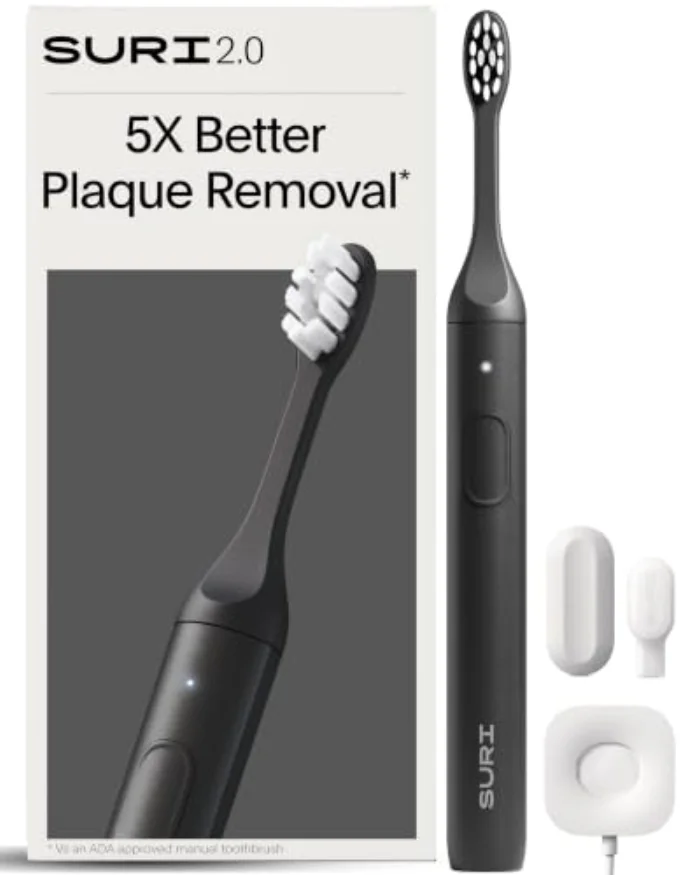
This is the motor and how the head moves. There are two main types. Oscillating-rotating brushes (Oral-B) use a small round head that spins back and forth, cleaning one tooth at a time with a brisk, scrubbing feel. Sonic brushes (Philips, Ordo, Suri) use a brush-shaped head that vibrates at high frequency, driving fluid between the teeth — gentler, and better for sensitive gums. Both clean very well; the choice is mostly about feel, which we cover fully in our sonic vs oscillating guide.
2. A pressure sensor
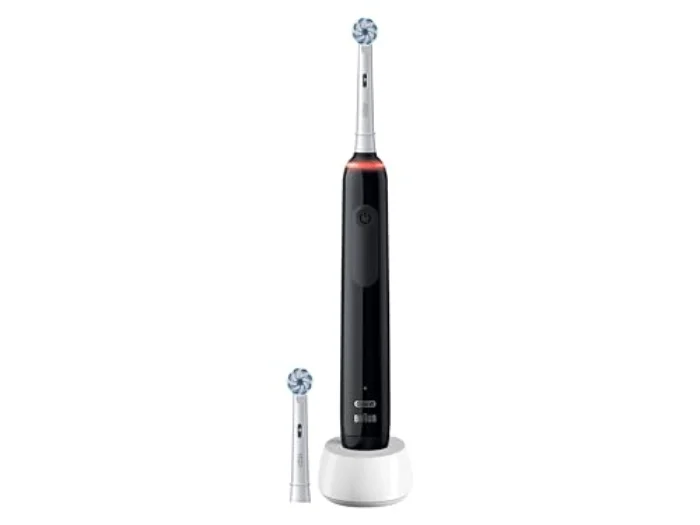
This is the most underrated feature on any toothbrush. Brushing too hard is one of the leading causes of gum recession and exposed, sensitive tooth roots — and most people do it without realising. A pressure sensor warns you the instant you press too hard so you can ease off, and after a couple of weeks it quietly retrains your technique. If a brush has only one "premium" feature, this is the one to insist on. It's why we rate the Oral-B Pro 3 3000, which has it for around £50, above brushes that don't.
What you can safely ignore
Most of the rest is a nice-to-have that doesn't clean your teeth any better:
- App connectivity — entertaining for a week, then forgotten by almost everyone. Don't pay a premium for it.
- Colour displays and gum-health "scores" — look impressive, change nothing about the clean.
- A long list of modes — a standard clean and a sensitive mode cover the vast majority of needs. Ten modes is mostly marketing.
- Whitening claims — an electric brush removes surface stains by cleaning well; no toothbrush bleaches teeth.
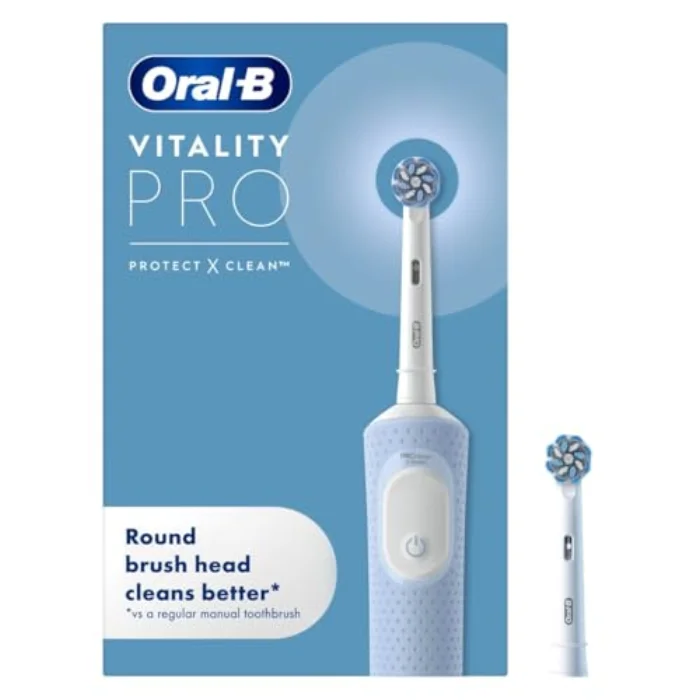
A two-minute timer with a 30-second pacer is the one "extra" we'd always want, because it's genuinely useful and found even on budget brushes like the Vitality Pro.
The hidden cost: replacement heads
The cheapest brush to buy isn't always the cheapest to own. You should replace the head every three months, so over the years the heads can cost more than the handle did. This is where the brands differ sharply: basic Oral-B heads are the cheapest on the market and sold everywhere, while sonic and iO heads cost more. If you're choosing between two brushes that clean similarly, the head price can be the tie-breaker — and it's worth checking before you buy, not after.
How much should you spend?
Here's the simple framework:
- Around £30 — a genuinely good clean and a timer, but usually no pressure sensor (the Oral-B Vitality Pro). Ideal for a first brush or a spare.
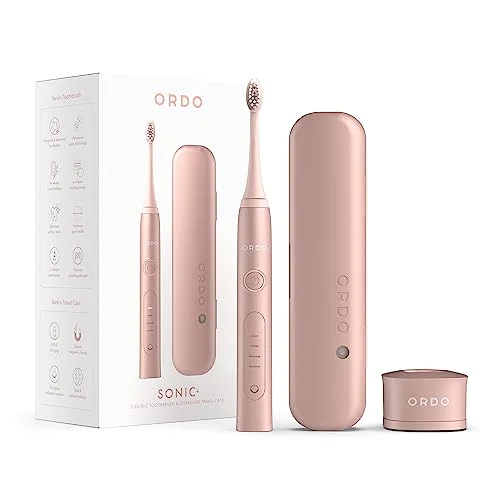
- Around £50 — the sweet spot. You get everything that matters, including a pressure sensor and cheap heads (the Oral-B Pro 3 3000), or affordable sonic cleaning with huge battery life (the Ordo Sonic+).
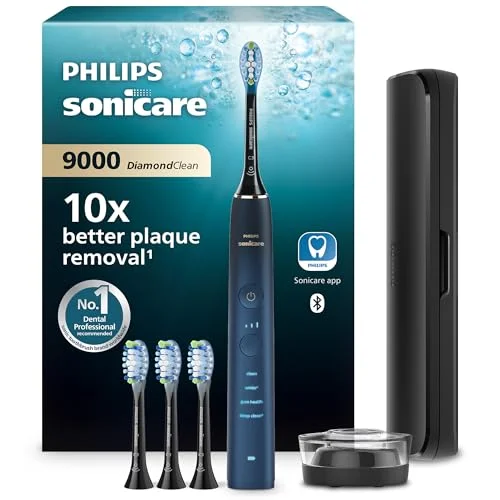
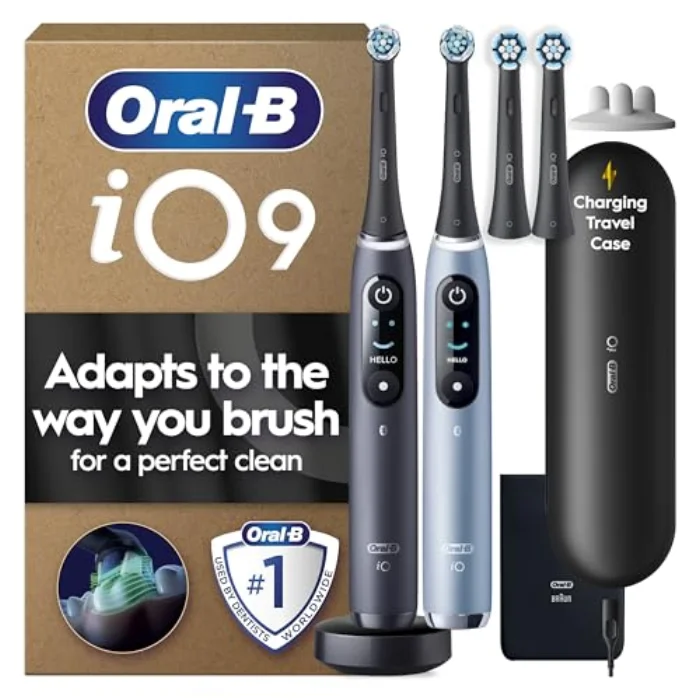
- £100 and up — a quieter motor, premium materials and convenience features. Worth it if comfort and finish matter to you (the Sonicare DiamondClean 9000 or, on offer, the Oral-B iO9) — but not because it cleans better.
How to use whatever you buy
The brush only does half the job. Brush for two minutes, twice a day, guiding the head slowly around every surface and letting it do the work rather than scrubbing. Angle the bristles slightly towards the gum line, replace the head every three months, and don't rinse too aggressively after brushing — leaving a little fluoride toothpaste behind helps protect the enamel. Get those habits right and even our budget pick will keep your teeth in excellent shape.